 Tajul Furqan

Your mum ironed your white thoub on Sunday mornings. Your dad drove you to madrasah before Fajr. They didn't complain. They were proud. And somewhere between being a teenager who wanted to be anywhere else and the adult you are now, you stopped. You never finished.
That specific weight, the one that comes from knowing what your parents gave up for you, is different from regular Hifz guilt. It's heavier. It has faces in it. And it's one of the main reasons you haven't restarted.
What Your Parents Actually Sacrificed
Think about what it took. Weekend mornings they could have spent resting. Fees they paid from salaries that weren't always comfortable. Arguments they had with you on the drive over when you said you didn't want to go. The way your dad's face changed when he told someone his child was in Hifz classes.
They weren't doing it to burden you. They were doing it because they wanted something for you that they perhaps never had themselves. A Quran in your chest. A crown on their heads on the Day of Judgement. They knew what it meant, even if you didn't at the time.
The Prophet, peace be upon him, said: "The one who recites the Quran and is proficient in it will be with the noble and righteous scribes. And the one who reads it and stumbles over it, finding it difficult, will have a double reward." (Sahih al-Bukhari, hadith 4937, sahih). Your parents wanted that honour for you. And they still do.
The Guilt Has Kept You Frozen, Not Moving
Here's what the guilt does. It makes you feel so bad about stopping that you can't start. You think about picking up the Quran and the memory of quitting floods back, and suddenly it feels easier to just not open it at all. So years pass.
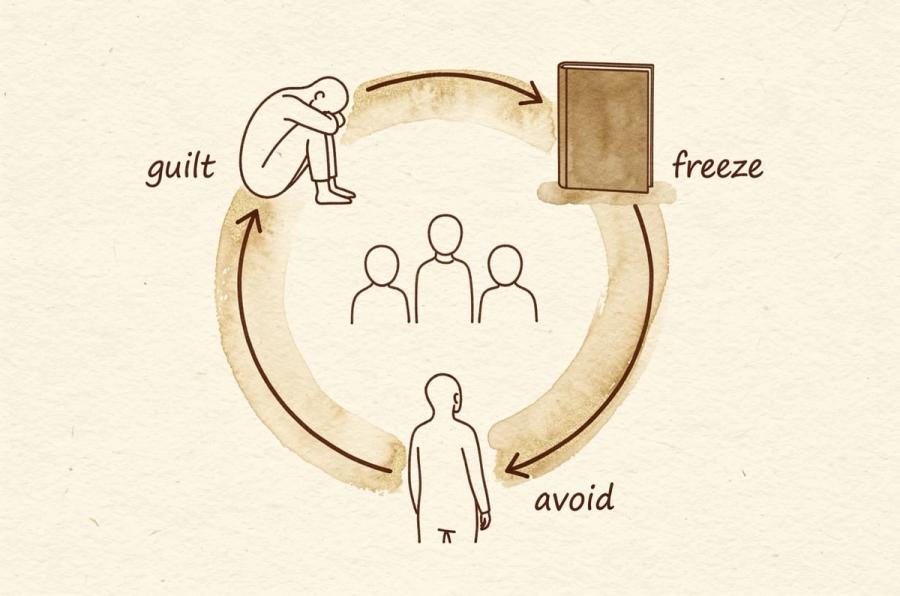
This isn't weakness. It's a pattern. If you've read why partial Hifz shame blocks people from starting again, you'll recognise this. The shame doesn't push you forward. It paralises you. And the longer you stay frozen, the worse the shame gets.
The regret of not finishing Hifz isn't something you dissolve by feeling bad longer. You dissolve it by doing something about it now.
You Didn't Waste Their Sacrifice. Not Yet.
Here's the thing most people don't say: what your parents gave is not wasted unless you choose to leave it that way. You still have the foundation. You still have juz 30 somewhere in your memory, even if it's rusty. You still have surahs that come back the moment you recite them. That doesn't disappear.
And your parents, if you asked most of them honestly, don't want your guilt. They want to see you open the Quran again. They want to know the seeds they planted found soil eventually. Finishing now, even now, honours what they did. Staying stuck doesn't.
If you're worried about how much you've forgotten, read how to rebuild your Hifz after a long break. You'll find the memory is closer than you think.
How to Actually Restart After Quitting Madrasah
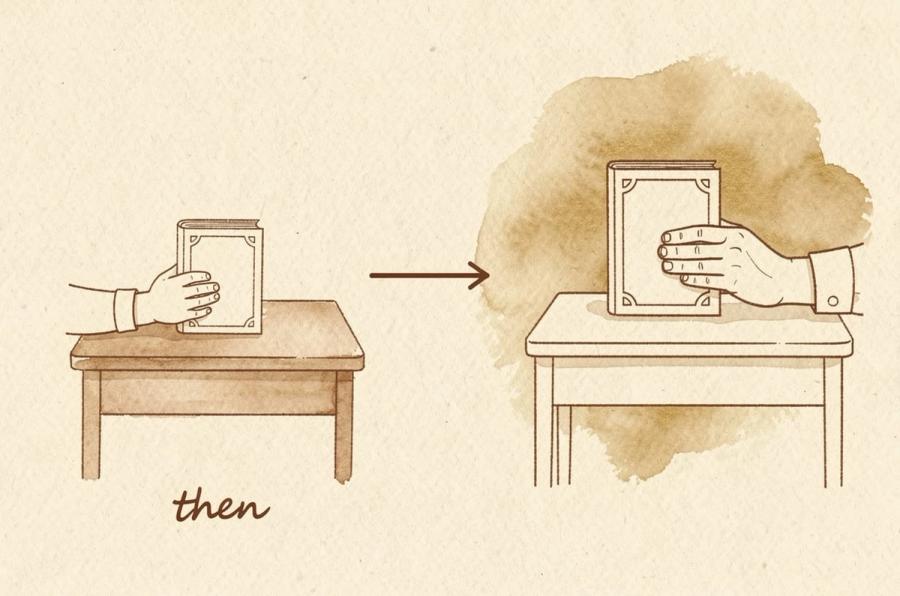
Restarting after quitting madrasah as a child is different from starting fresh. You're not a beginner. You have ingrained recitation patterns, muscle memory in your tongue, and surahs that never fully left you. What you need isn't a beginner plan. You need a re-entry.
The step-by-step re-entry, from checking what you still have to a realistic daily plan, is in How to Rebuild Your Hifz After a Long Break. For fitting it into a working week, see our Hifz routine for busy adults.
The goal isn't to be the child who sat in madrasah again. The goal is to become the adult who finished what was started for them.
The Best Way to Honour Your Parents' Sacrifice
Allah says in the Quran: "And We have enjoined upon man goodness to his parents." (Surah Al-Ankabut, 29:8). Honouring your parents doesn't stop at adulthood. One of the most real forms of honour you can give them now is to finish what they started for you.
You can't go back and fix the years you didn't open the Quran. But you can pick it up today. That act, that single decision to restart, is worth more than another decade of guilt.
Don't let the regret of not finishing Hifz become the story of your life. Make the restart the story instead.
Build a Routine That Lasts With The Self-Hifz Blueprint
This article is part of our Stay Consistent series. For the full picture, read A Hifz Routine for Busy Adults: A Simple Daily System.
The Self-Hifz Blueprint is our step-by-step guide to memorizing the Quran by yourself, at home, at your own pace. Chapter 28, Common Mistakes That Slow Hifz, covers this in full: seven slowdowns, and how to fix each one.
It includes a daily checklist and a sample six-month plan, so showing up becomes the easy part.
Get The Self-Hifz Blueprint and start your next session with a clear plan.