 Tajul Furqan

You've thought about it. Maybe at 2am. Maybe after a funeral. That quiet, heavy question: what if I die before I finish?
It's not a morbid thought. It's actually one of the most honest things your heart can ask. And it deserves a real answer, not a motivational quote.
The Fear Is Not the Problem
Fearing death without finishing your Hifz shows you understand what the Quran is worth. That fear is a sign of life in your heart, not weakness.
But fear can do two things. It can push you toward the Quran. Or it can paralyze you, make you feel so unworthy that you stop opening it altogether. If your fear has been doing the second thing, this post is for you.
Because the Islamic perspective on this is far more merciful than the guilt loop you've been running in your head.
What Does Islam Actually Say About Incomplete Hifz at Death?
Here's what you need to understand: Allah judges by intention, effort, and sincerity, not by completion. The Prophet, peace be upon him, said: 'Actions are judged by intentions.' (Sahih al-Bukhari, hadith 1, sahih)
There is no text in the Quran or authentic Sunnah that says a person who died with 15 juz is lesser than one who died with 30. What the texts speak about is the person who carried the Quran, honored it, and lived by it.
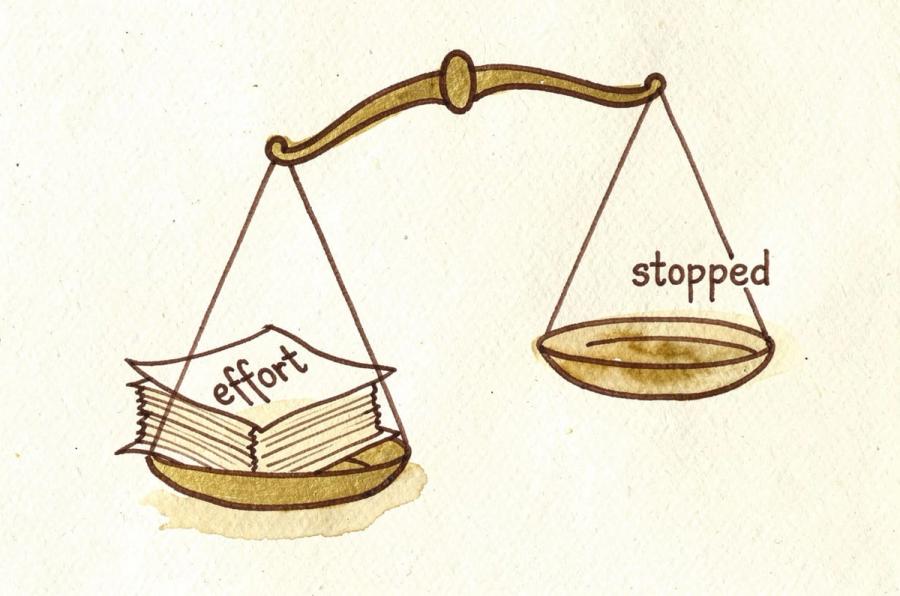
The stations of Jannah tied to Hifz are tied to how much a person memorized and recited. More Hifz means a higher station. But a lower station in Jannah is still Jannah. And a person who spent their life striving for the Quran, even if they never finished, is a very different person from someone who never tried.
The danger is not dying with 20 juz. The danger is dying having abandoned the effort entirely.
The Hadith That Should Change How You Think About This
The Prophet, peace be upon him, said: 'The one who recites the Quran and is proficient in it will be with the noble, righteous scribes. And the one who recites the Quran and stammers in it, finding it difficult, will have a double reward.' (Sahih al-Bukhari, hadith 4937, sahih)
Read that again slowly. The person who struggles, who finds it hard, who stumbles through the words, gets two rewards. Not half a reward. Not consolation. Two.
This is not a religion that penalizes effort. It rewards it. Your incomplete Hifz, maintained with sincerity and difficulty, is not a shame. It is a source of enormous reward.
The Real Thing to Be Afraid Of
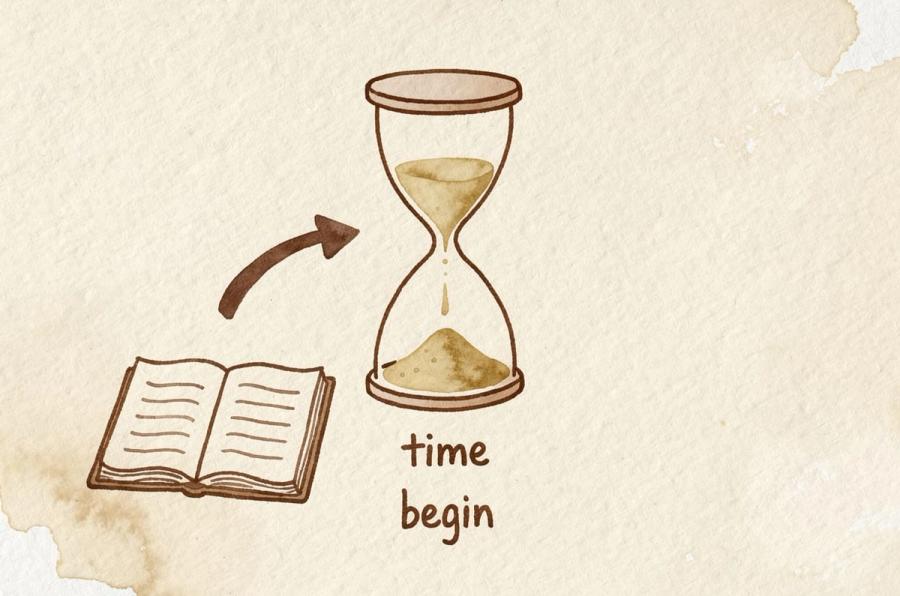
It's not dying at juz 20. It's dying having stopped. Having told yourself you'd return when life settled down, and life never settling down, and the years passing.
That's the thing worth being afraid of. Not the number of juz on your record, but the absence of effort on your scale.
If you've been away from your Hifz for months or years, there's a post that speaks directly to that feeling of guilt and distance: How to Return to Quran Memorization When Guilt Is the Only Thing Keeping You Away. The guilt isn't a signal to stay away. It's a signal to come back.
You Still Have Time. Use It Differently.
The fact that you're reading this means you still have time. That sounds obvious. But people who have died without finishing their Hifz can no longer make this choice. You can.
The goal is not to memorize 30 juz in a panic. The goal is to die with your hands still in the Quran. To die as someone who was working. Someone who was trying. Someone whose last months on earth included the words of Allah.
Even 20 minutes a day, done consistently, is a life lived in the Quran. If you want to see what that looks like practically, this piece on making real Hifz progress with just 20 minutes a day is worth reading.
And if you've been away from Hifz for a long time and feel like you've lost everything, the path back is simpler than you think. Start with what you still have. Even Juz 30. Even three surahs. Build from there. There's no shame in rebuilding your Hifz after a long break. The shame is in not rebuilding at all.
The question isn't whether you'll finish before you die. The question is whether you'll be found trying. That shift, from outcome to effort, is what changes everything.
Don't let this moment of clarity pass without doing something with it. Open the Quran today. Recite what you know. And take one step toward the person you want to be found as. May Allah make it easy for you, grant you barakah in your time, and allow you to meet Him with His Book in your heart. Ameen.
Start on the Right Foot With The Self-Hifz Blueprint
This article is part of our Before You Begin series. For the full picture, read Memorize Quran as an Adult: It Is Not Too Late After 30.
The Self-Hifz Blueprint is our step-by-step guide to memorizing the Quran by yourself, at home, at your own pace. Chapter 1, Why Memorize the Qur'an, covers this in full: what is promised, and what you will notice in this life.
It also walks you through planning your goal, your pace and your finish date before day one, so you start with a clear path.
Get The Self-Hifz Blueprint and start your next session with a clear plan.